
Cremation Services
Cremation Services with Care and Compassion
Cremation Overview
Cremation is the process of converting a loved one's remains to ashes. It is usually done as a funeral rite and often follows a viewing or memorial service. The ashes are then either buried, scattered, or displayed.
The modern practice of cremation began in the late 1800s and has become more prevalent in recent decades. There are many reasons people might choose cremation over traditional burial. For example, cremation can be less expensive and can take up less space than burial. It also leaves behind no physical evidence of the deceased, which some people find more comforting.
Types of Cremation
There are two main types of cremation: traditional and direct. A traditional cremation is one where the body is embalmed and present at the visitation and/or service before cremation takes place. Direct cremation skips the funeral service and goes straight to the cremation process. This is often done at the request of the deceased or their family.
The Cremation Process
The cremation process typically takes place in a special furnace called a retort. The body is placed in the retort and reaches temperatures between 1,500 and 2,000 degrees Fahrenheit. It usually takes two to three hours for the body to be reduced to ash and bone fragments. Afterward, the remaining ashes are collected and returned to the family for burial, scattering, or display in an urn.
Why Choose Cremation
There are many reasons why people choose cremation. Some of the most common include the following:
- Cremation is more affordable than traditional funerals.
- Cremation is environmentally friendly and recycles resources.
- Cremation allows for greater flexibility in funeral arrangements, including the possibility of having a memorial service or gathering without the body present.
- Cremated remains can be kept in an urn, scattered, or buried in a cemetery plot.
- The cremation process is quicker and less invasive than embalming.
What to Expect During the Cremation Process
The cremation process typically takes place in the following order:
- The body is prepared for cremation according to the wishes of the deceased and their family, which may include embalming and dressing.
- The body is placed in a casket or container suitable for cremation.
- The casket or container with the body is placed in the cremation chamber, where it is subjected to intense heat and flame.
- After several hours, the remains are reduced to bone fragments and ash.
- The bone fragments and ash are then pulverized into finer particles, which are referred to as “cremains” or “ashes.”
How to Plan a Memorial or Tribute Service After the Cremation
- You can hold the memorial or tribute service at the funeral home, in a church, or at any location that was special to the deceased.
- You can choose to have the cremains present at the service or not. If you decide to have them present, they can be displayed in an urn or scattered in a place that was significant to the deceased.
- Suppose you decide not to have the cremains present. In that case, you can still create a meaningful memorial service by incorporating personal items that belonged to the deceased, such as photographs, clothes, jewelry, or favorite foods.
- You can also incorporate activities into the service that were special to the deceased, such as playing their favorite music, displaying their favorite art, or sharing memories of them.
- After the service, the cremains can be scattered in a place significant to the deceased or interred in a cemetery.
- You can also choose to keep the cremains with you in an urn or another type of container.
- Cremation offers you a wide range of choices and options for creating a meaningful and personal memorial service. It is important to discuss your wishes with your family and friends so that they can help you make the arrangements that are right for you.
What to Do with The Cremated Remains
Once the cremation process is complete, you have a number of options for what to do with the cremated remains. You can:
- Scatter them in a place that was significant to the deceased.
- Bury them in a cemetery.
- Keep them with you in an urn or another type of container.
- Divide them among family and friends.
- Create memorial jewelry or art from them.
- Use them in a reef ball to create new coral reefs.
- Launch them into space.
Lakeside Funeral Home is equipped with an on-site crematory. This ensures that your loved one is never far away and that our staff is personally handling their care. We accommodate all requests possible to help your family on their healing journey. Call us to learn more about our cremation services.
Permanent Memorialization
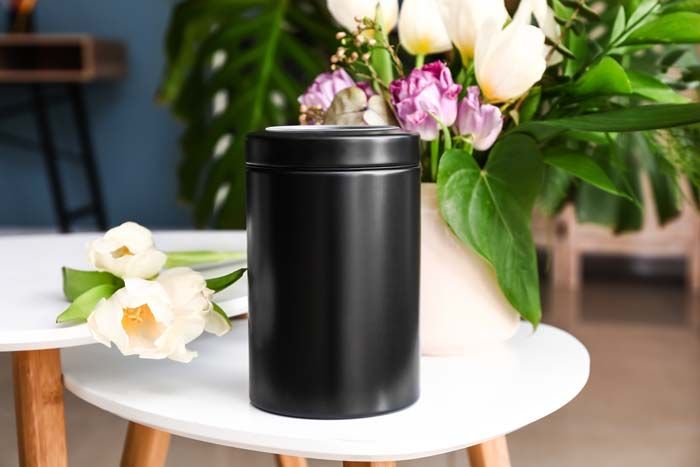
Keeping an Urn at Home
This is a common choice. Families can select the perfect urn for their loved one.
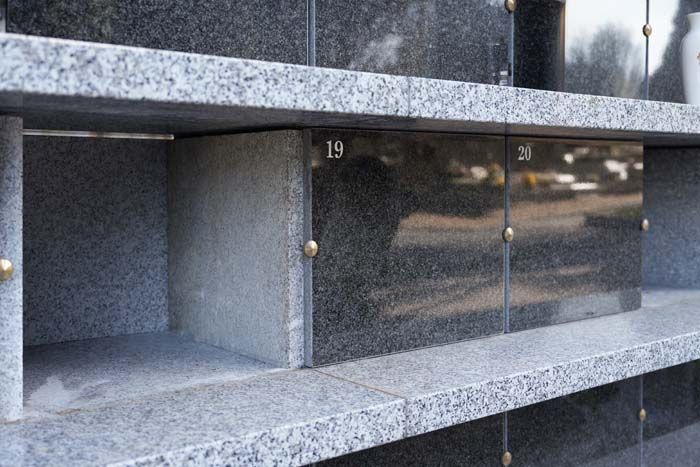
Placing the Urn in a Columbarium (aka, a "niche")
Many families find comfort in having a final resting place that they can visit.

Burying the Urn
Similar to a casket, an in-ground burial of the urn allows for a final resting place.
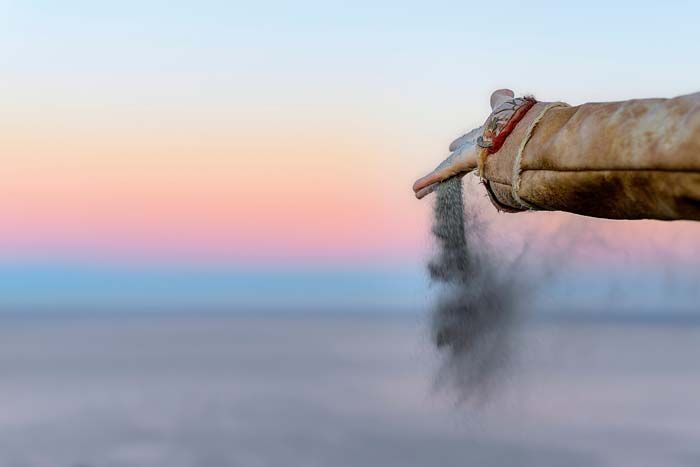
Scatter the ashes
Some families find comfort in scattering the cremated remains at a place that was special to their loved one.